


Referring to the National Education Policy 2020, Shah said it has created a lot of opportunities for students as they can learn music or history along with science.
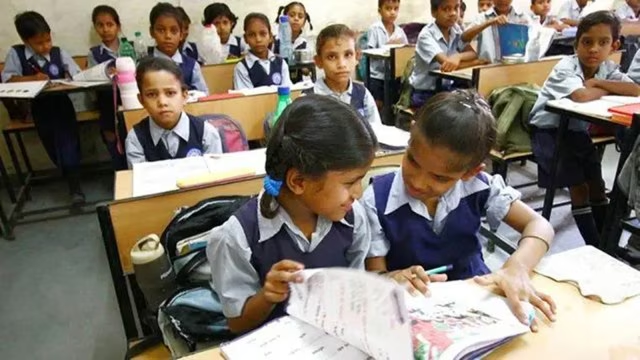
Key Reforms that Led to the Dropout Rate Reduction
1. Kanya Kelavani Yojana: Empowering Girls Through Education
One of the flagship initiatives launched under Modi’s tenure as CM was the Kanya Kelavani Yojana. Focused on improving access to education for girls, this program was aimed at reducing gender disparity in schools. By emphasizing the importance of girls’ education and providing incentives for families to send their daughters to school, the program played a crucial role in increasing female enrollment rates. This initiative not only brought more girls into the education system but also contributed to reducing the overall dropout rate.
2. Gunotsav: Quality Assessment in Schools
Gunotsav, an educational quality improvement program, was introduced by Modi to assess and enhance the learning outcomes of students in government schools. This initiative involved an annual evaluation of schools to ensure they met the standards of teaching and learning. By regularly assessing the performance of both students and teachers, the program helped in identifying and addressing gaps in education. Amit Shah pointed out that Gunotsav was instrumental in ensuring that students remained engaged in their studies, thereby preventing them from dropping out.
3. Infrastructure Development
During Modi’s time as CM, there was a significant focus on improving school infrastructure across Gujarat. Many schools, especially in rural areas, lacked basic facilities such as toilets, drinking water, and electricity. Modi’s administration took proactive measures to upgrade school buildings, provide essential amenities, and create a conducive environment for learning. Improved infrastructure played a key role in retaining students, as better facilities made schools more welcoming and functional, particularly for girls who previously faced barriers to attending school due to inadequate sanitation.
4. Mid-Day Meal Scheme Expansion
While the Mid-Day Meal Scheme was a national program, Modi’s administration in Gujarat expanded its reach and ensured that it functioned efficiently. The provision of nutritious meals to students not only helped improve attendance rates but also incentivized parents to keep their children in school. As Amit Shah noted, this expansion was vital in reducing hunger-related absenteeism and ensuring that children, especially from economically weaker sections, stayed enrolled.
5. Focus on Tribal and Rural Education
Another significant achievement during Modi’s tenure as Gujarat’s CM was his focus on improving education in tribal and rural regions. Special programs were launched to target the educationally backward areas, ensuring that schools in remote regions were given additional resources. By addressing the unique challenges faced by students in these areas, Modi’s policies helped bridge the urban-rural divide in education and reduced dropout rates in marginalized communities.
Impact on Gujarat’s Education System
As Shah emphasized, the cumulative effect of these reforms was a noticeable reduction in the school dropout rate across Gujarat. Under Modi’s leadership, Gujarat’s education sector saw a paradigm shift where accessibility, quality, and retention of students became key priorities. These reforms not only improved enrollment rates but also enhanced the overall quality of education in the state.
The reduction in dropout rates during Modi’s time as Chief Minister had long-term positive impacts on Gujarat’s workforce, literacy levels, and social development. By keeping more students in school, the state was able to create a better-educated and skilled population, which contributed to its economic growth and social stability.
A Model for the Nation
Amit Shah’s remarks reflect how Gujarat’s education reforms during Modi’s tenure as CM have become a model for other states across India. The success of these programs, particularly in reducing dropout rates, has inspired similar initiatives nationwide. Modi’s approach of combining infrastructure development, incentive-based programs, and community engagement is now considered a best practice for tackling educational challenges in other parts of the country.

